ATTACHMENT WOUNDS
Online therapy for women who learned early on that their needs were too much…or not quite important enough.
You might not describe your childhood as traumatic. Maybe there were plenty of good things, too. But maybe love felt inconsistent, conditional or hard to count on. Maybe a parent was emotionally unavailable, overwhelmed, critical or needed more care than they gave. And maybe you became the one who adjusted.
Now, as an adult, you might notice those early experiences showing up in ways that are hard to explain. You feel anxious when someone pulls away, or you pull away first. You're fiercely independent & still quietly long for someone to take care of you. You leave a phone call with your mom feeling like a kid again, even though you're a grown woman with a whole life of your own.
Therapy for attachment wounds isn't about blaming your parents or deciding your childhood was all bad. It's about understanding how you adapted so that you can build relationships that feel safer than the ones you grew up in.
You've gotten really good at not needing much.
You're self-sufficient. Low-maintenance. You learned how to take care of yourself (& maybe everyone else) early. You might notice yourself:
feeling uncomfortable asking for help, even when you really need it • becoming the "parent" or peacekeeper in your family • feeling anxious when someone is distant & relieved only once things feel okay again • pulling away when relationships start to feel too close • being drawn to people who are hard to get close to • feeling like a kid again around your parents, especially your mom • minimizing your childhood because "other people had it worse" • struggling to believe people will stay once they see the real you • feeling guilty for wanting more from the people who raised you
And maybe the confusing part is that these adaptations have made you really capable. You've been called mature, independent, easygoing or "an old soul." Those things may genuinely be true about you.
The question isn't whether you had a "bad" childhood. It's whether the ways you learned to stay connected are still costing you now.


Therapy isn't about rehashing your childhood forever.
You might already understand a lot about where your patterns came from. Maybe you've read the books, followed the accounts & can explain your attachment style in detail. Knowing why you do something & actually feeling different in the moment are two very different things.
I'm not going to spend every session dissecting your childhood while your current life waits in the hallway :) Instead, we'll move between past & present, noticing how old experiences show up today. What happens in your body when someone doesn't text back? What do you expect will happen if you ask for what you need? Who did you have to be to keep your family okay?
Because I'm relational, engaged & collaborative in sessions, we can work with attachment wounds as they actually show up in your life. We might unpack a conversation with your mom that left you feeling small, notice the moment you start pulling away from a partner, practice asking for something directly, grieve the parent you wish you'd had or work on setting boundaries with family without feeling like you're abandoning them. When it fits, we can also incorporate EMDR to help process early experiences that still feel very present.
We'll pay attention to what happens in the therapy relationship, too. Attachment patterns tend to show up with therapists: you might worry that you're too much for me, feel uncomfortable when I'm warm or wait for me to get tired of you. Those moments aren't you doing therapy wrong. The therapy relationship can actually be one of the places you get to experience something different—a relationship where your needs are welcome & ruptures can be repaired.
The goal isn't to cut off your family, rewrite your history or turn you into someone who never needs anyone. It's to build enough internal security that you can stay connected to the people you love without losing yourself, & let yourself be cared for, too.
You're allowed to need people.
You don't have to have a perfect relationship with your family, fully understand your attachment style or be ready to talk about everything right away.
We can start smaller: understanding the ways you learned to adapt & practicing what it feels like to let someone in.
If you're looking for online therapy for attachment wounds in Alaska, Arizona, Texas, Utah or Washington, fill out my Therapy Interest Form. I'll reach out about scheduling a free 15-minute consultation so we can meet, talk about what you're looking for & see if we might be a good fit.
Resources worth exploring
A few books, conversations & reads that people often find helpful when they're working through this. Not every one will fit you, so take what's useful & leave the rest. (Want more? My mental health resource database has 2,000+ resources organized by topic.)
-
![]()
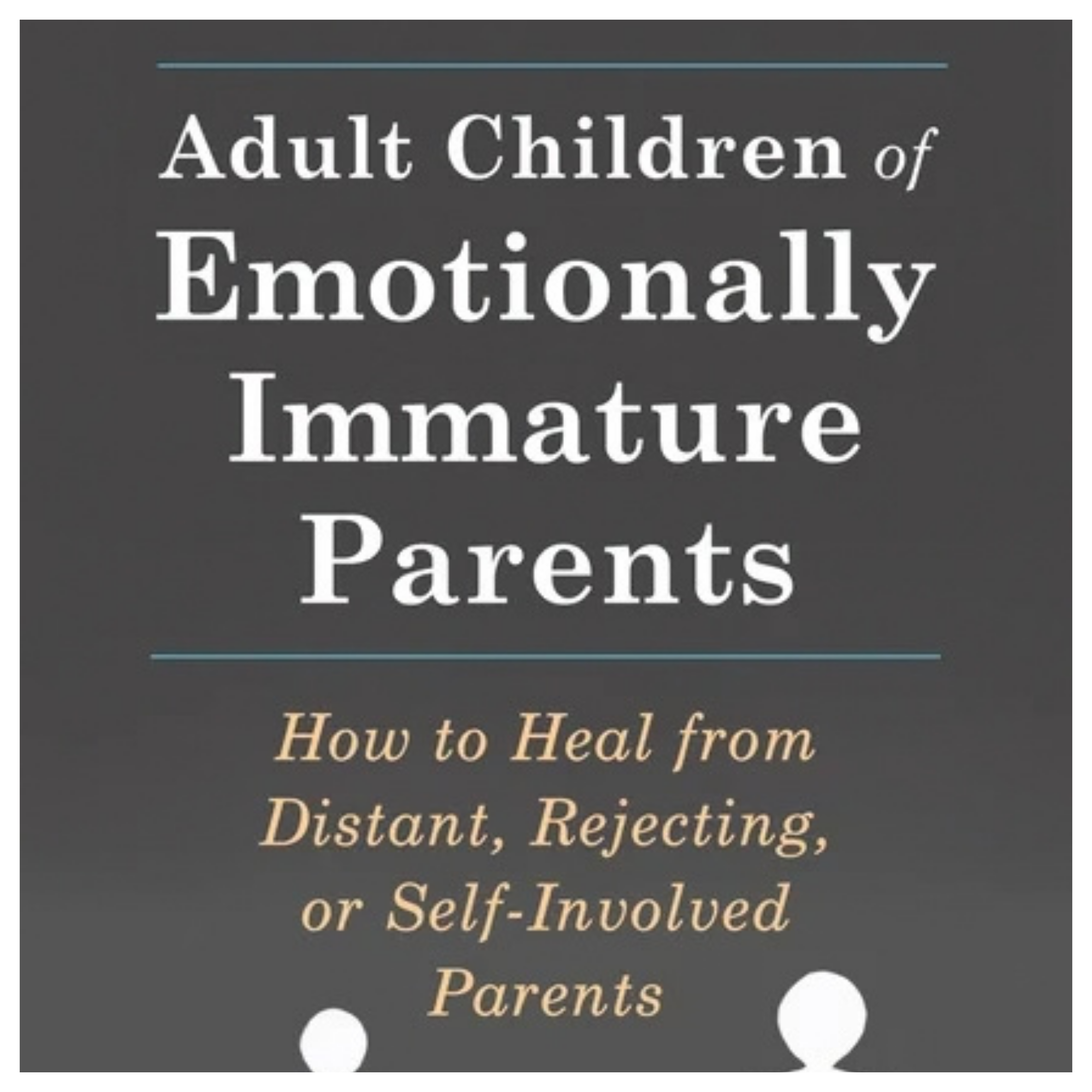
Adult Children of Emotionally Immature Parents by Lindsay C. Gibson
the book many people read & finally feel understood by
-
![]()
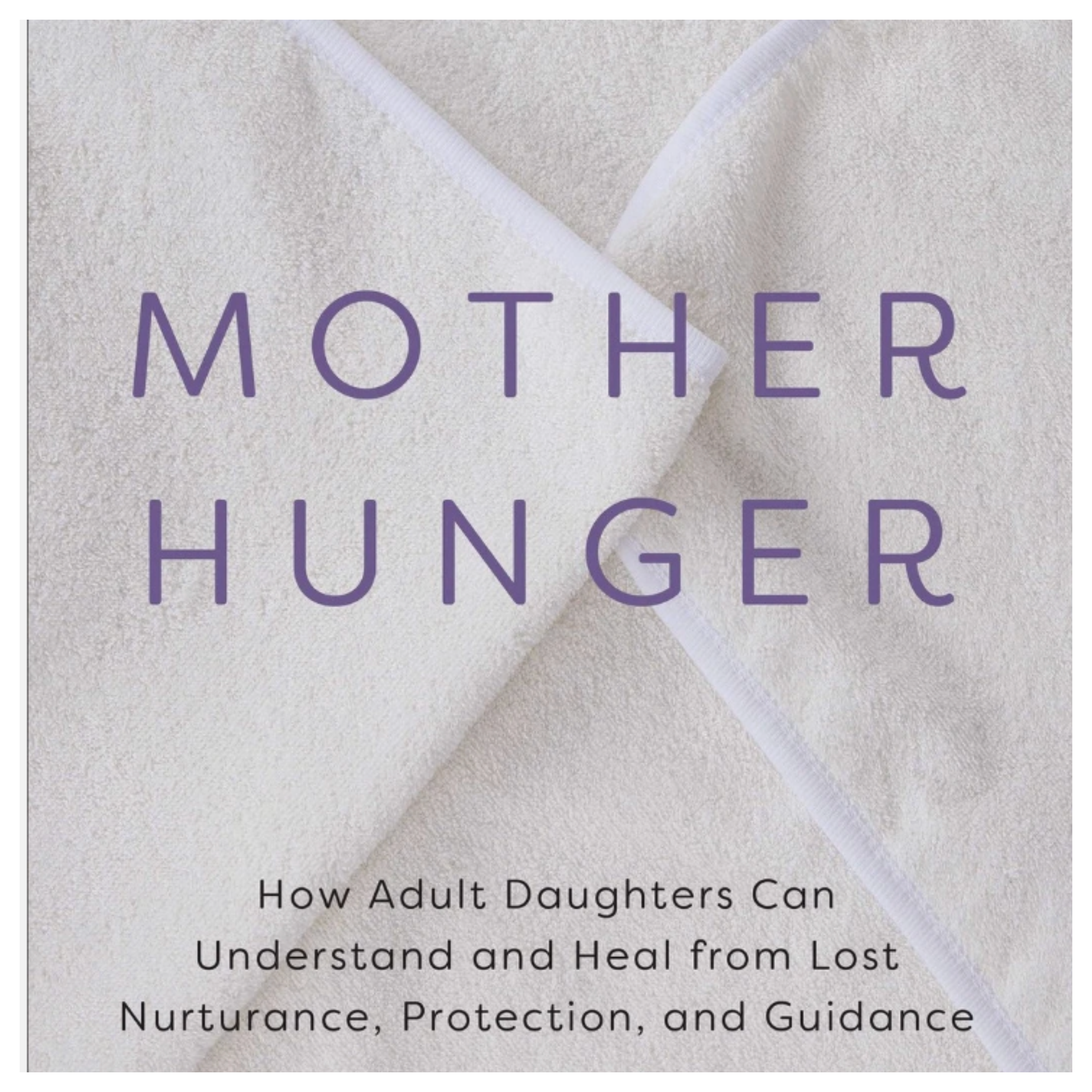
Mother Hunger by Kelly McDaniel
specifically about mother wounds & what was missing
-
![]()
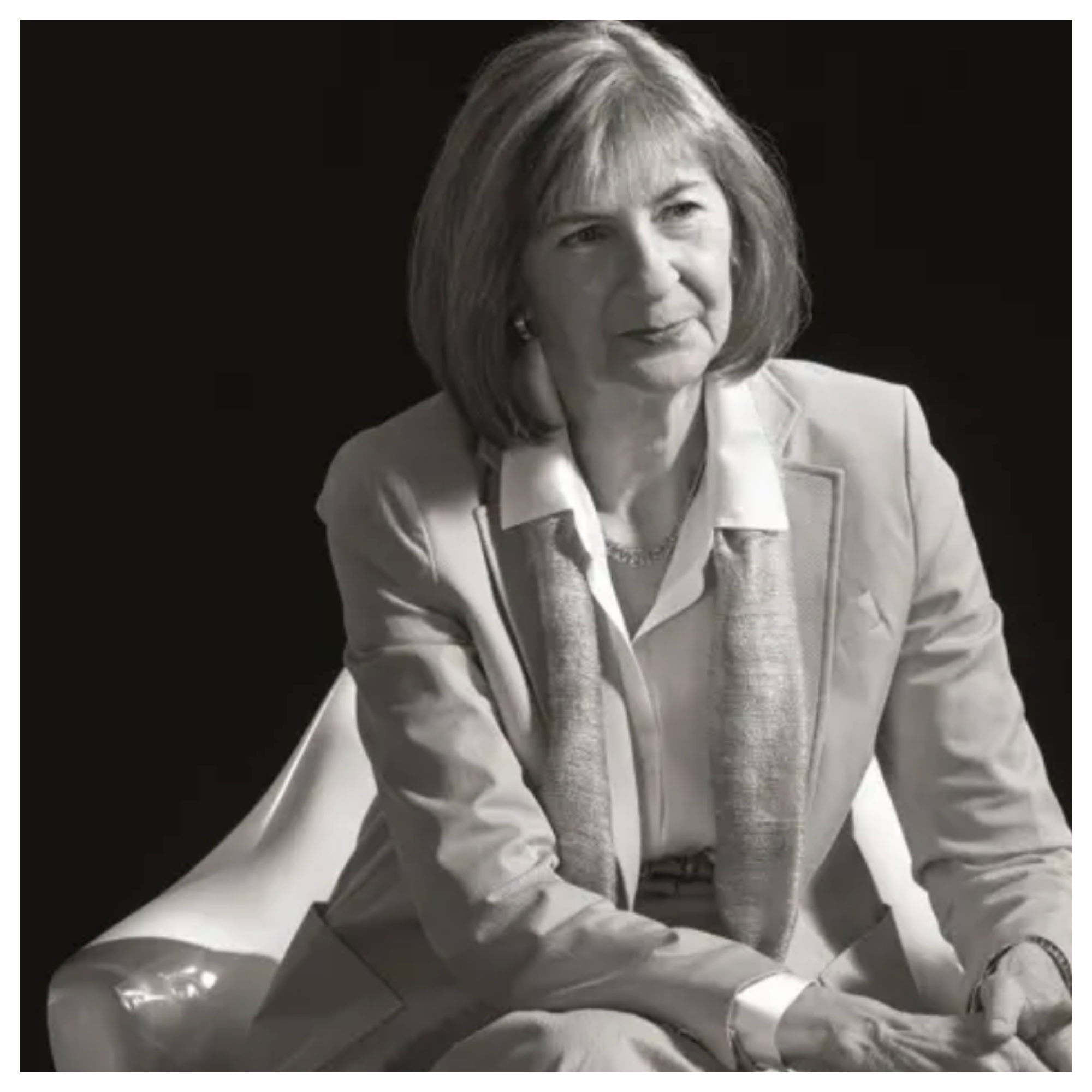
What We Owe Our ‘Emotionally Immature’ Parents (The Interview)
on emotionally immature parents & what we do (and don't) owe them as adults (link)
-
![]()
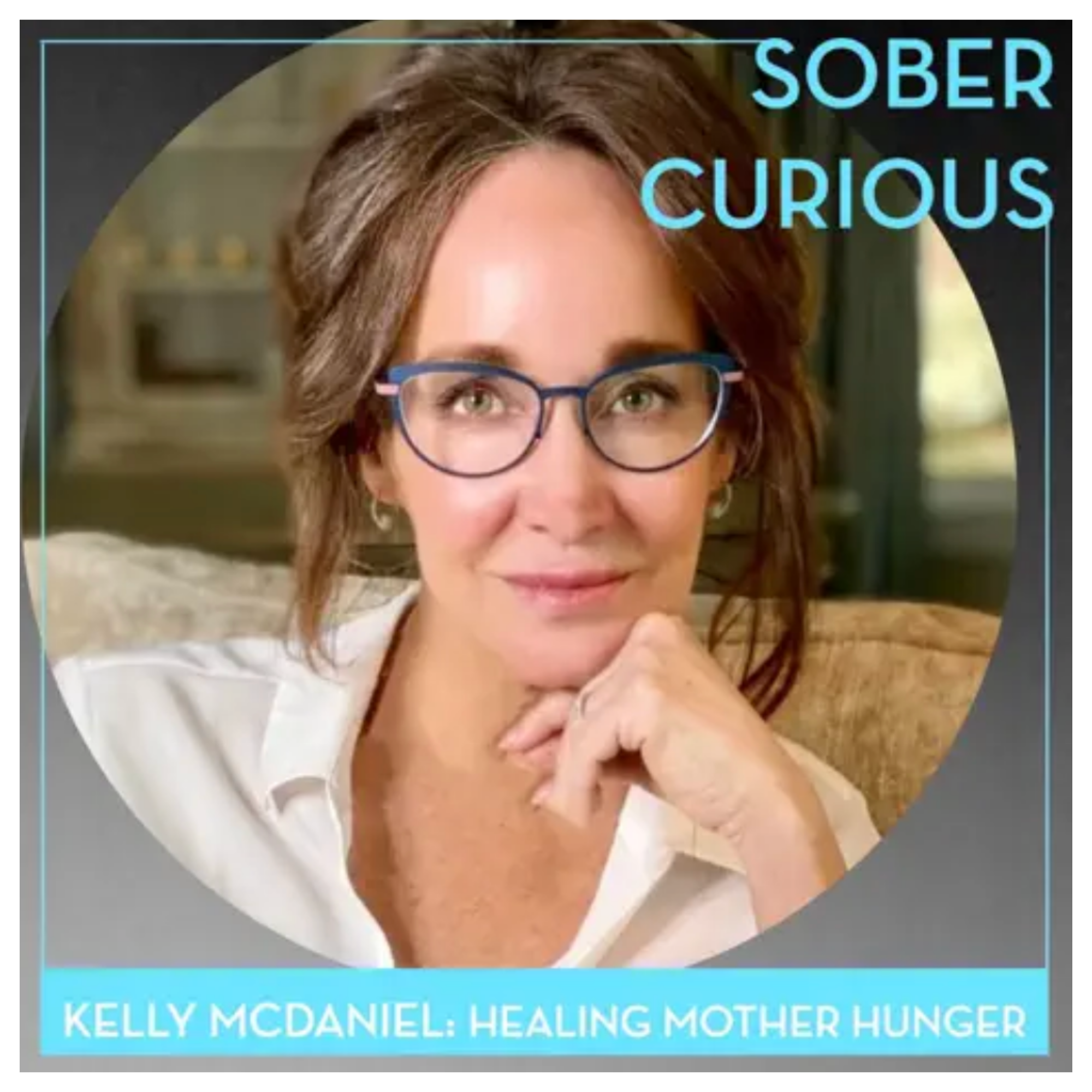
Healing Our Mother Hunger (Sober Curious)
on the mothering so many of us missed & what healing that hunger can look like (link)
-
![]()
Navigating Adult Insecurity and Security (Therapist Uncensored)
two therapists on attachment as a spectrum, and how security can keep growing in adulthood (link)